
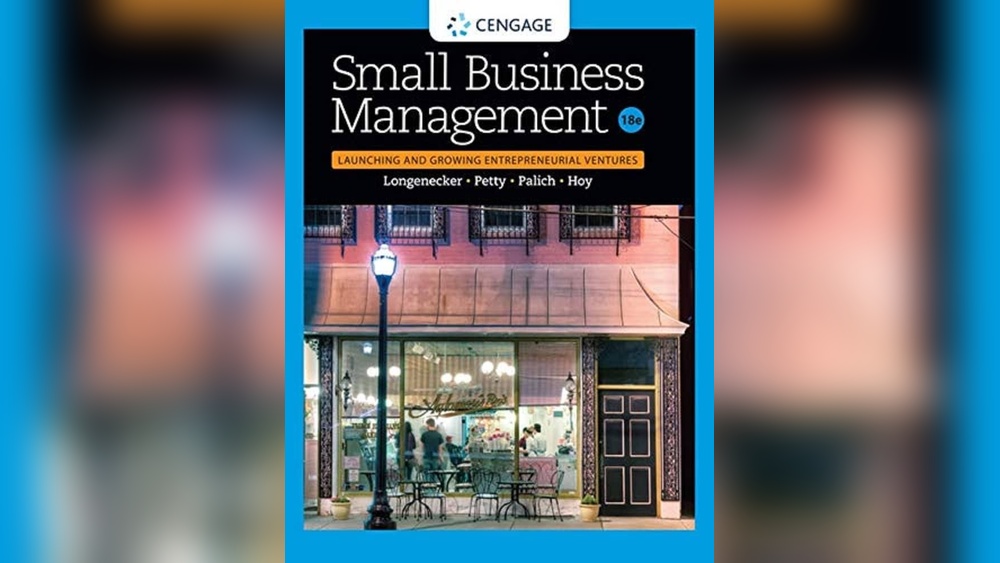
Are you a small business owner ready to make a big impact? Launching a book can be the game-changer you need to boost your brand and attract loyal customers.
But where do you start? How do you turn your ideas into a successful book launch that truly sets you apart? You don’t have to figure it out alone. With the right guidance, you can position yourself as an expert in your field and open doors to new opportunities. That’s where Book Your Authority comes in. This course is designed specifically for nurse authors looking to create powerful, effective book launches. Keep reading to discover how you can turn your book into a powerful tool to grow your small business and build lasting authority. Your breakthrough starts here.
Introduction To Book Launches For Small Businesses
A book launch is a key step for small businesses to share their story. It helps build trust with customers and raise awareness about the brand. A well-planned launch can bring more sales and new clients.
Success depends on clear goals and good promotion. Small businesses often face limited budgets and lack of marketing skills. Time management is another common challenge. Planning early can help avoid these issues.
| Challenge | Description |
|---|---|
| Budget | Many small businesses have little money for marketing. |
| Marketing Skills | Limited experience in promoting a book effectively. |
| Time | Balancing daily work with launch preparation is hard. |

Credit: http://www.amazon.com
Key Elements Of A Successful Book Launch
Crafting a compelling book message means sharing clear, simple ideas. Readers connect with stories that feel real and useful. Focus on what makes your book unique. Use words that show the benefits readers will get. Keep the message easy to remember and repeat.
Building an engaged audience starts early. Talk with people who care about your topic. Share helpful content often. Answer questions and join groups where your readers spend time. Trust grows when you listen and respond.
Effective use of social media and online platforms helps spread the word. Post regularly on sites your audience uses. Use images and short videos to catch attention. Encourage followers to share your posts. Keep messages simple and friendly.
Creating a strategic launch timeline and checklist keeps tasks on track. Plan steps like writing, editing, and marketing. Set dates for each task. Check progress often. Being organized reduces stress and helps meet deadlines.
Marketing And Promotion Strategies For Small Business Book Launches
Email marketing helps create excitement for your book launch. Send regular updates to your list. Share sneak peeks and special offers. Keep messages clear and short. This builds trust and interest.
Partnering with influencers and local groups expands your reach. Find people who care about nursing or writing. Ask them to share your book news. Local communities can host events or share online.
Paid ads reach more readers fast. Use small budgets to test what works best. Target ads to nurses and aspiring authors. Focus on clear, simple messages and strong images.
Hosting virtual or in-person events connects you with fans. Virtual events work well for distant readers. In-person meetups build stronger local ties. Both create buzz and personal connections.
Budgeting And Pricing Your Book Launch
Affordable marketing tactics include using social media posts and email newsletters. Local events or partnerships can spread the word without high costs. Offering free chapters or samples attracts readers and builds interest.
Pricing strategies should match your audience’s budget. Set a price that feels fair but covers costs. Consider introductory discounts or bundle offers to increase sales. Keep prices simple and clear to avoid confusion.
| Tool/Resource | Purpose | Cost |
|---|---|---|
| Canva | Create promotional graphics | Free & Paid versions |
| Mailchimp | Send email campaigns | Free plan available |
| Eventbrite | Manage launch events | Free for free events |
Pros And Cons Of Different Book Launch Approaches
Self-hosted launches give full control over timing and content. They require more effort and marketing skills. Using a publisher’s support means less work on your part. Publishers provide expertise and wider reach but take a share of profits.
Digital launches reach a global audience quickly. They cost less and allow easy tracking of sales. Traditional in-store events create personal connections and local buzz. These events need more planning and have limited attendance.
| Pre-Orders | Early Bird Discounts |
|---|---|
| Builds excitement before launch. Helps estimate demand. Requires strong promotion. | Encourages quick purchases. Rewards loyal customers. May reduce profit margin. |
Tailored Recommendations For Different Small Business Scenarios
New small business owners can use a book launch to build trust fast. Writing a book shows expertise and passion. It helps customers understand what you offer. Share your story and lessons clearly. This helps you stand out in crowded markets.
Rebranding or expanding your business? A book launch can explain your new direction. Use the book to tell why your business changed. Show new products or services inside. It creates interest and loyalty from old and new clients.
Niche or local markets need focused strategies. Target your book to their needs and language. Use local events and social media to spread the word. Partner with community groups or stores. This helps you reach the right audience effectively.
Measuring Success And Post-launch Activities
Track sales numbers daily to see how your book performs. Watch website visits and social media engagement to measure interest. Monitor email sign-ups from readers for future contact. Keep an eye on reviews and ratings on platforms like Amazon. These numbers show how well your book reaches people.
Keep talking with your readers after launch day. Share updates, answer questions, and post stories. This builds a strong community. Send newsletters with tips or behind-the-scenes info. Host live chats or Q&A sessions to stay connected. This keeps readers excited and loyal.
Use feedback from readers to improve future books or products. Read reviews carefully and note common suggestions. Thank readers for their ideas and show you listen. Adjust your marketing or writing based on what customers say. This helps your business grow step by step.

Credit: justaddhoney.net
Conclusion: Ensuring Long-term Success With Your Book
Integrating your book into your business plan keeps your brand clear and strong. Use your book as a tool to share your story and connect with your audience. Link it to your services or products to create trust and show expertise.
Maintaining momentum means staying active after the launch. Keep sharing your book in newsletters, social media, and events. Ask readers for reviews and feedback to build credibility. Plan small promotions or talks to keep interest alive.
Keep building on your launch success by setting new goals. Use your book to open doors for partnerships or new clients. Stay consistent and patient; growth takes time but pays off.

Credit: http://www.indypl.org
Conclusion
Launching a book can boost your small business’s reach and trust. Planning carefully makes the process smoother and more effective. Use simple steps to connect with your audience and share your story. For nurse authors, the right support matters a lot. Explore helpful resources like Book Your Authority to guide your journey. Start your book launch with confidence and clear goals. Success is possible with steady effort and smart choices. Your story deserves to be heard.




Leave a Reply