
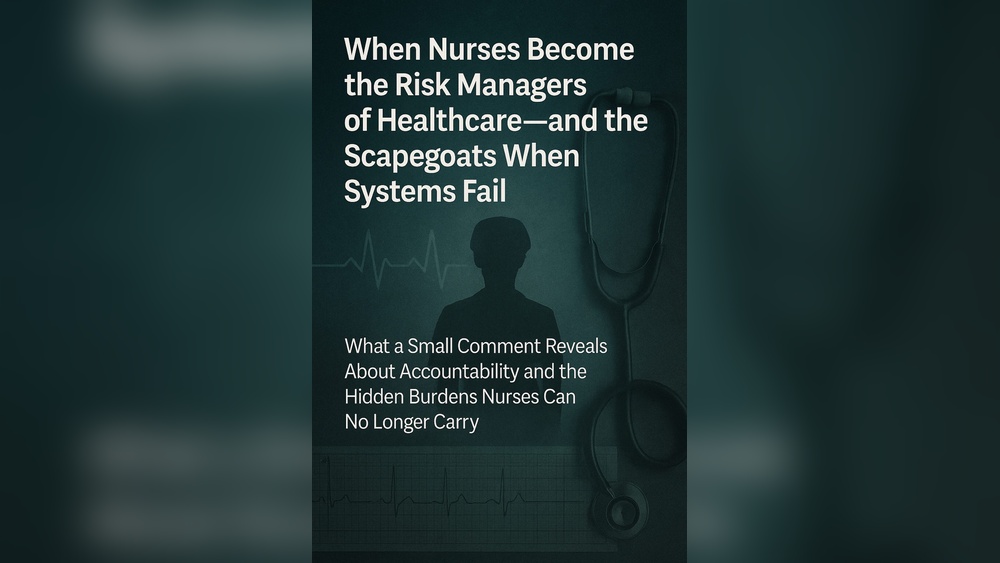
Have you ever wondered why nurses, the backbone of our healthcare, often feel overwhelmed and undervalued? If you or someone you know works in nursing, you understand the daily struggles they face.
But what if the problem isn’t just the job itself, but the very system meant to support them? When healthcare systems fail nurses, it affects more than just their wellbeing—it impacts the care you and your loved ones receive. Keep reading to discover what’s going wrong and why fixing this is urgent for everyone.
Feeling stuck in bedside nursing with no way out? You’re not alone, and there is a better path forward. Visit ReNursing Edu to discover how nurses are building profitable businesses and creating backup plans before the healthcare system forces them to pivot.
Nurse Shortages And Staffing Issues
Nurse shortages create big problems in hospitals. Patient care suffers because there are not enough staff to help everyone. Nurses must work longer hours. This leads to tiredness and mistakes.
Burnout is common. It affects nurses’ mental health. Stress builds up fast. Many feel overwhelmed and exhausted. This can cause anxiety and depression.
Keeping nurses is hard. Many leave their jobs. Hospitals struggle to hire new staff. This creates a cycle of shortages. It hurts the whole healthcare system.
Workplace Conditions And Safety
Nurses face many hazards daily. They work with sick patients and sharp tools. This puts them at risk of infections and injuries. Sometimes, hospitals lack proper safety gear. This makes their work even more dangerous.
Violence and harassment are common problems. Nurses often deal with angry patients or visitors. Some face verbal abuse or physical attacks. This creates a stressful and unsafe work environment.
Many nurses feel they have inadequate support. Staff shortages mean more work and less rest. Lack of proper training and counseling adds to the problem. Support systems are needed to protect their well-being and safety.
Compensation And Recognition
Wage disparities make many nurses feel undervalued. Some nurses earn much less despite similar work. This causes frustration and stress. Low pay also affects nurse retention and job satisfaction.
Lack of career advancement limits nurses’ growth. Many nurses want new roles and more responsibility. Few get chances to move up or learn new skills. This stops them from feeling motivated.
Recognition gaps leave nurses feeling unseen. Hard work often goes unnoticed by managers. Praise and rewards are rare. Nurses need respect and thanks for their efforts.

Credit: http://www.connexall.com
Administrative Burdens
Nurses face excessive paperwork that takes up much of their time. This paperwork often delays their ability to care for patients directly. Instead of spending time with patients, nurses must fill out forms and reports.
The impact on clinical time is serious. Nurses have fewer minutes for patient care. This reduces the quality of care and causes stress for nurses. Patients may wait longer for help.
Technology challenges add to the burden. Sometimes, new software is hard to use or slow. Nurses must learn these systems, which takes time from their work. Technical problems can cause errors or delays.
Policy And Leadership Failures
Nurses often face poor support from healthcare policies. Advocacy for nurses is too weak. Their voices are rarely heard in decision-making. This leads to unfair work conditions and low morale.
Staffing policies do not match the real needs. Hospitals have too few nurses for patient care. This causes stress and burnout. Patients get less attention and care quality drops.
Leadership is often disconnected from nurses’ daily struggles. Leaders may not understand or act on real problems. This gap creates frustration and lack of trust. Nurses feel undervalued and ignored.
Nurses’ Voices And Advocacy
Nurses are raising their voices through union movements. These unions fight for better pay, safer workplaces, and respect. They help nurses speak as one strong group. Grassroots campaigns also play a big role. Nurses and supporters gather locally to demand fair treatment and more support. These campaigns show real stories from real nurses. Calls for systemic change are growing louder. Nurses want healthcare systems to fix deep problems, like too much work and not enough staff. They ask leaders to listen and act fast. Change must happen for nurses to care well and stay healthy. The power of many working together is clear. Nurses’ advocacy is key to improving healthcare for all.
Innovations And Solutions
Improving work environments helps nurses feel safe and valued. Hospitals can add more rest areas and reduce noise. Clear communication and teamwork also make jobs easier. Small changes like better lighting and clean spaces improve mood and health.
Mental health support programs give nurses help when stressed or tired. Counseling and peer support groups offer a safe place to talk. Regular breaks and wellness activities reduce burnout. These programs keep nurses strong and ready to care.
Technological enhancements save time and reduce errors. New software helps with scheduling and patient records. Mobile devices let nurses check information quickly. Simple tools can make daily tasks faster and less stressful.

Credit: http://www.youtube.com
Conclusion
Nurses face many struggles in today’s healthcare systems. These problems affect their work and patient care. Solutions need action from leaders and communities. Supporting nurses means better care for all. Change is possible with focus and effort. Nurses deserve respect, fair pay, and safe workplaces.
Let’s work together to fix these issues now. The future of healthcare depends on it.




Leave a Reply