
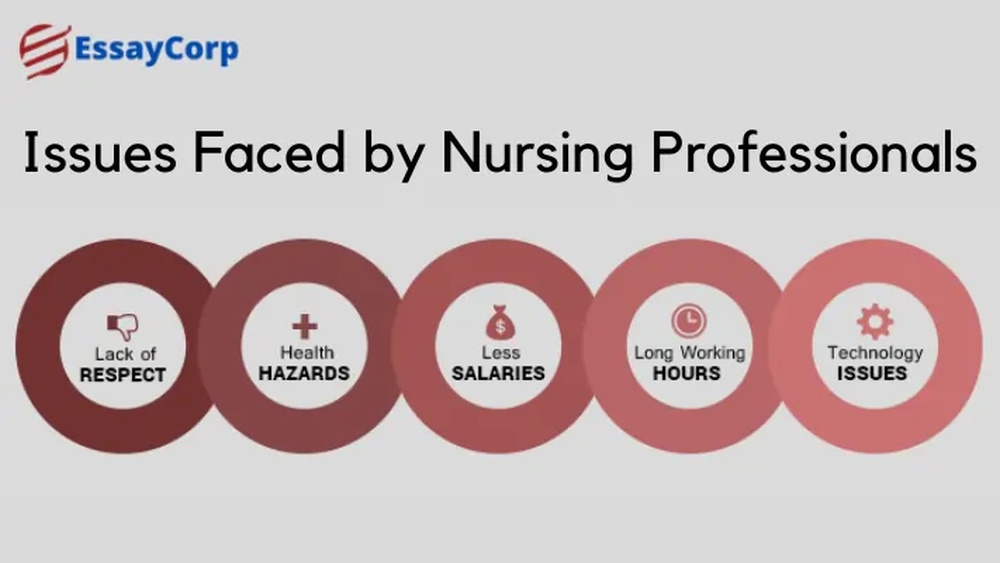
Have you ever stopped to think about how much nurses do every single day? They care for the sick, comfort the worried, and save lives—all while facing challenges most people don’t see.
Yet, many nurses don’t get the respect they truly deserve. This lack of respect affects not only their work but also the quality of care you or your loved ones receive. If you want to understand why this happens and what it means for all of us, keep reading.
Feeling stuck in bedside nursing with no way out? You’re not alone, and there is a better path forward. Visit ReNursing Edu to discover how nurses are building profitable businesses and creating backup plans before the healthcare system forces them to pivot.
This issue is closer to you than you might think.

Credit: nevadastate.edu
Root Causes Of Disrespect
Historical stereotypes often show nurses as helpers, not professionals. This view lowers respect for their true skills and knowledge. Many people still believe nurses only follow doctors’ orders, ignoring their critical role in patient care.
Media portrayal often focuses on nurses’ personal lives or looks, not their work. TV shows and movies sometimes show nurses as less important than doctors. This false image affects how society values nursing.
Workplace challenges add to the problem. Nurses face long hours, heavy workloads, and stress. These conditions can make their job harder and less appreciated. Lack of support from some employers also hurts respect.
Public misconceptions include thinking nurses have easy jobs or just assist doctors. Many people do not understand the skill and education nurses have. This leads to undervaluing their hard work and dedication.

Credit: http://www.womeninhealthleadership.org
Impact On Nurses And Healthcare
Lack of respect makes nurses feel unhappy at work. This lowers their job satisfaction and can cause many to leave their jobs. Hospitals then lose good nurses, which is a big problem.
When nurses feel undervalued, patient care often suffers. Nurses may feel less motivated to do their best. This can lead to mistakes or slower help for patients.
Mental health of nurses also takes a hit. Feeling ignored or disrespected causes stress, anxiety, and sadness. Over time, this can lead to burnout and illness.
Changing Perceptions Through Education
Public awareness campaigns help people see nurses’ true value. They share stories about nurses’ hard work and care. These campaigns reach schools, TV, and social media. People begin to respect nurses more when they understand their role.
Nursing curriculum enhancements teach students about respect and teamwork. Schools add lessons on communication and ethics. This prepares nurses to work well with patients and doctors. It also helps nurses feel proud of their job.
Community engagement lets nurses meet people outside hospitals. Nurses join local events and talk about health. This builds trust and shows how important nurses are. Communities start to value nurses as key helpers in health care.

Credit: http://www.thelancet.com
Role Of Healthcare Institutions
Healthcare institutions must create a supportive work environment for nurses. This means safe spaces with good tools and clear rules. Nurses feel valued when their hard work is seen and appreciated. Recognition and rewards can be as simple as saying thank you or giving small bonuses. Such actions boost morale and help reduce stress.
Offering leadership opportunities helps nurses grow and stay motivated. It shows trust and respect from the management. Nurses leading teams or projects gain confidence and skills. This makes the nursing profession stronger and more respected overall.
Policy And Advocacy Measures
Legislative support is key to improving respect for nurses. Laws must protect their rights and safety at work. Governments should pass rules that stop unfair treatment. This helps nurses feel valued and secure.
Professional organizations play a big role. They speak up for nurses’ needs and fight for better conditions. These groups offer training and support to help nurses grow. They also raise public awareness about nurses’ hard work.
Advocating for fair pay is very important. Nurses often work long hours but earn less than they deserve. Fair wages show respect and attract more people to the job. Equal pay for equal work builds trust and loyalty.
Technology And Innovation In Nursing
Technology helps improve work conditions for nurses by reducing heavy tasks. Machines can do routine jobs, letting nurses focus on patient care. This cuts down stress and fatigue.
Using new tools also enhances the professional image of nursing. Digital records and smart devices show nurses as skilled and modern workers. This builds respect from patients and others.
Training and development tools offer easy learning options. Online courses and apps help nurses learn new skills anytime. This keeps their knowledge up to date and boosts confidence.
| Area | Benefit |
|---|---|
| Work Conditions | Less physical work, lower stress |
| Professional Image | Shows skill, gains respect |
| Training Tools | Easy learning, better skills |
How ReNursing Edu Can Help You with Lack of Respect for Nursing Profession
Bridging Respect Gaps Through Practical Learning
Addressing the lack of respect for the nursing profession requires more than awareness—it demands actionable learning opportunities that empower nurses to reclaim their value. Education plays a pivotal role here, especially when it focuses on real-world skills like clinical decision-making and effective communication. By integrating practical tools such as clinical cheatsheets and SOAP note templates, nurses can enhance confidence and demonstrate expertise in patient care.
Healthcare institutions must also support ongoing education that challenges outdated perceptions and fosters professional growth. Combining this with policy advocacy creates a stronger foundation for systemic change. For nurses feeling constrained by traditional roles, exploring entrepreneurship offers a viable path to control schedules and redefine career worth. Leveraging transferable skills beyond bedside care is a strategic way to pivot proactively.
If you want to explore resources that bridge academic preparation with clinical realities or learn how to navigate this transition, connecting with peers and educational platforms experienced in this terrain can be invaluable. For guidance, reaching out to info@renursing.com can provide insights grounded in frontline nursing experience.
Conclusion
Respect for nurses matters a lot. Nurses work hard every day. They care for patients with kindness and skill. Society should value their efforts more. Showing respect can boost their confidence and job satisfaction. It also helps attract new people to nursing.
Everyone benefits when nurses feel appreciated. Let’s support and honor this important profession now. Small acts of respect can make a big difference. Nurses deserve our gratitude and respect always.



Leave a Reply